
Public-Private Healthcare Convergence: Connecting 100+ Factories and 100,000+ Workers to Statutory Social Safety Nets
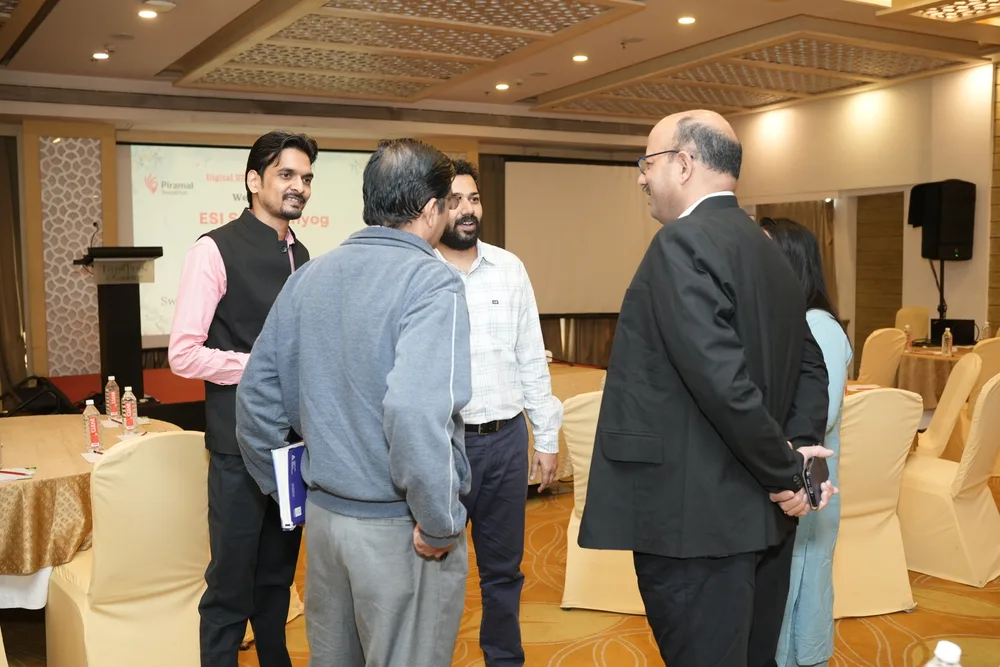
Successfully connected 100+ manufacturing factories to statutory benefit structures, directly extending healthcare, maternity, and cash social protection to more than 100,000 workers and dependents.
1. Baseline Diagnostic & The Problem
Tens of thousands of factory workers were unaware of or unable to navigate complex statutory ESIC healthcare and cash benefits due to friction between industrial employers and public administrative bodies.
Prior to my operational intervention, field operations suffered from severe coordination breakdowns. Frontline workers faced cumbersome administrative paperwork, while supervisory leadership lacked real-time visibility into day-to-day facility bottlenecks. This created significant systemic lag between policy mandates and on-the-ground execution.
2. The Strategic Advisory Intervention
Established a first-of-its-kind institutional convergence platform uniting ESIC leadership, ESIS officials, philanthropic program leaders, and employer trade bodies. Structured targeted employer outreach, organized on-site industrial registration drives, and deployed simplified compliance materials.
My approach centered on eliminating friction for frontline workers rather than introducing burdensome administrative layers. I drafted modular, visual Standard Operating Procedures (SOPs), instituted structured daily triage routines, and personally conducted interactive coaching sessions with internal Master Facilitators to ensure institutional sustainability.

3. Measurable Impact & Verified Telemetry
Successfully connected 100+ manufacturing factories to statutory benefit structures, directly extending healthcare, maternity, and cash social protection to more than 100,000 workers and dependents.
All reported outcomes are traceable to operational logs and verified against district health society datasets. By addressing human resistance and aligning multi-tier stakeholders around shared telemetry, the intervention created an enduring, self-sustaining operational model.
4. Key Lessons for Public Health Implementers
- Frontline Buy-in is Non-Negotiable: Digital adoption succeeds only when frontline workers understand how the system simplifies their daily workload and eliminates manual double-entry.
- SOPs Must Be Action-Oriented: Voluminous manuals are rarely referenced during clinic hours. Role-specific checklists and daily review routines produce sustained protocol adherence.
- Leadership Needs Ground-Truth Dashboards: Real-time telemetry empowers supervisors to offer targeted support to struggling facilities rather than issuing punitive top-down mandates.