
Engineering the State ESI Care Coordination Centre (Project Xurakhya): Bridging 1.3 Million Beneficiaries to Quality Healthcare in Assam
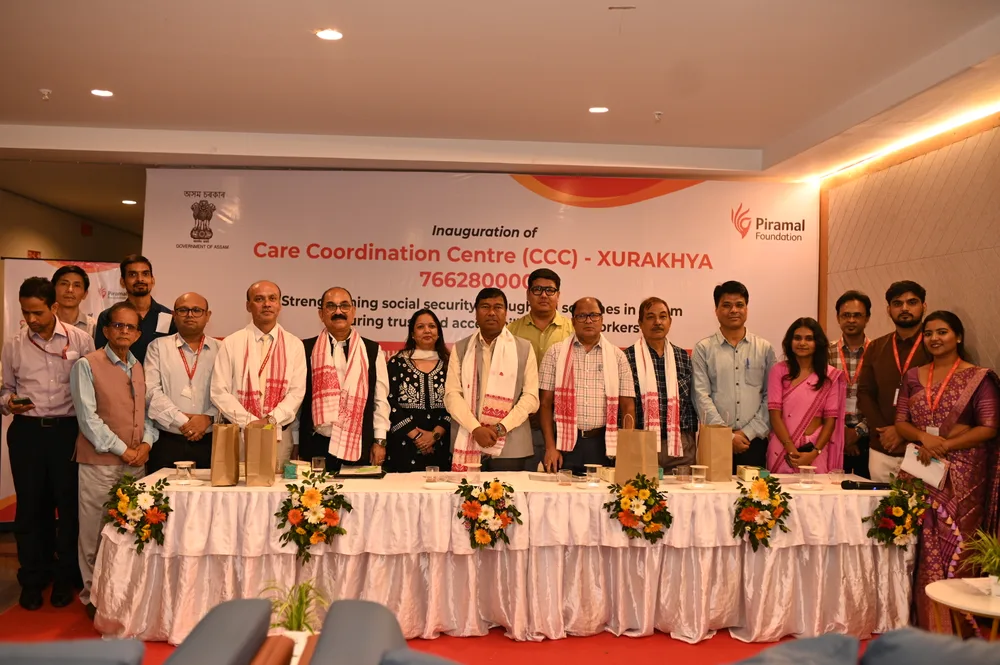
Formally inaugurated on 3 November 2026 by Hon'ble Minister Shri Rameswar Teli (Labour Welfare Department, Government of Assam); delivered a 67% surge in service delivery efficiency, established single-window navigation across all 16 blocks/districts, and secured state endorsement for provincial expansion.
1. Baseline Diagnostic & The Problem
Over 4 lakh insured industrial workers and 13 lakh beneficiaries in Assam faced severe healthcare access gaps, fragmented referral loops, and lack of guidance navigating between primary ESI dispensaries and empanelled super-specialty tie-up hospitals.
Prior to my operational intervention, field operations suffered from severe coordination breakdowns. Frontline workers faced cumbersome administrative paperwork, while supervisory leadership lacked real-time visibility into day-to-day facility bottlenecks. This created significant systemic lag between policy mandates and on-the-ground execution.
2. The Strategic Advisory Intervention
Designed and operationalized the ESI Care Coordination Centre (CCC) operating framework under Project XURAKHYA in Guwahati. Launched the dedicated 7662800000 helpline integrated with 104 and 1097 systems, engineered standardized operating procedures (SOPs) for Care Coordination Executives (CCEs) and Medical Officers, and established monthly review cadences with state ESIS leadership.
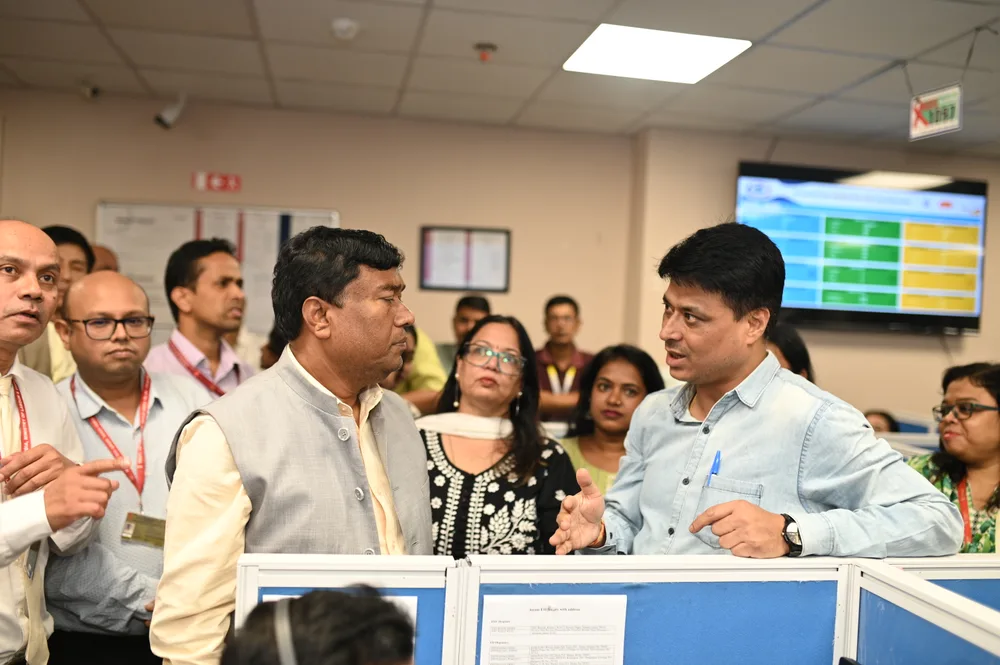
My approach centered on eliminating friction for frontline workers rather than introducing burdensome administrative layers. I drafted modular, visual Standard Operating Procedures (SOPs), instituted structured daily triage routines, and personally conducted interactive coaching sessions with internal Master Facilitators to ensure institutional sustainability.
3. Measurable Impact & Verified Telemetry
Formally inaugurated on 3 November 2026 by Hon'ble Minister Shri Rameswar Teli (Labour Welfare Department, Government of Assam); delivered a 67% surge in service delivery efficiency, established single-window navigation across all 16 blocks/districts, and secured state endorsement for provincial expansion.
All reported outcomes are traceable to operational logs and verified against district health society datasets. By addressing human resistance and aligning multi-tier stakeholders around shared telemetry, the intervention created an enduring, self-sustaining operational model.
4. Key Lessons for Public Health Implementers
- Frontline Buy-in is Non-Negotiable: Digital adoption succeeds only when frontline workers understand how the system simplifies their daily workload and eliminates manual double-entry.
- SOPs Must Be Action-Oriented: Voluminous manuals are rarely referenced during clinic hours. Role-specific checklists and daily review routines produce sustained protocol adherence.
- Leadership Needs Ground-Truth Dashboards: Real-time telemetry empowers supervisors to offer targeted support to struggling facilities rather than issuing punitive top-down mandates.